The skin is the largest organ in the human body and serves as an essential protective barrier against external factors such as ultraviolet (UV) radiation, pollution, microorganisms, and other potentially harmful substances. In addition to its protective function, the skin also helps regulate body temperature, supports sensory functions, and often reflects an individual’s overall health condition.
Despite its important role, skin health is frequently overlooked. Many people consider skin-related concerns to be minor issues and choose to ignore them or attempt self-treatment without consulting a healthcare professional. However, several skin conditions can become more serious if they are not identified and treated at an early stage.
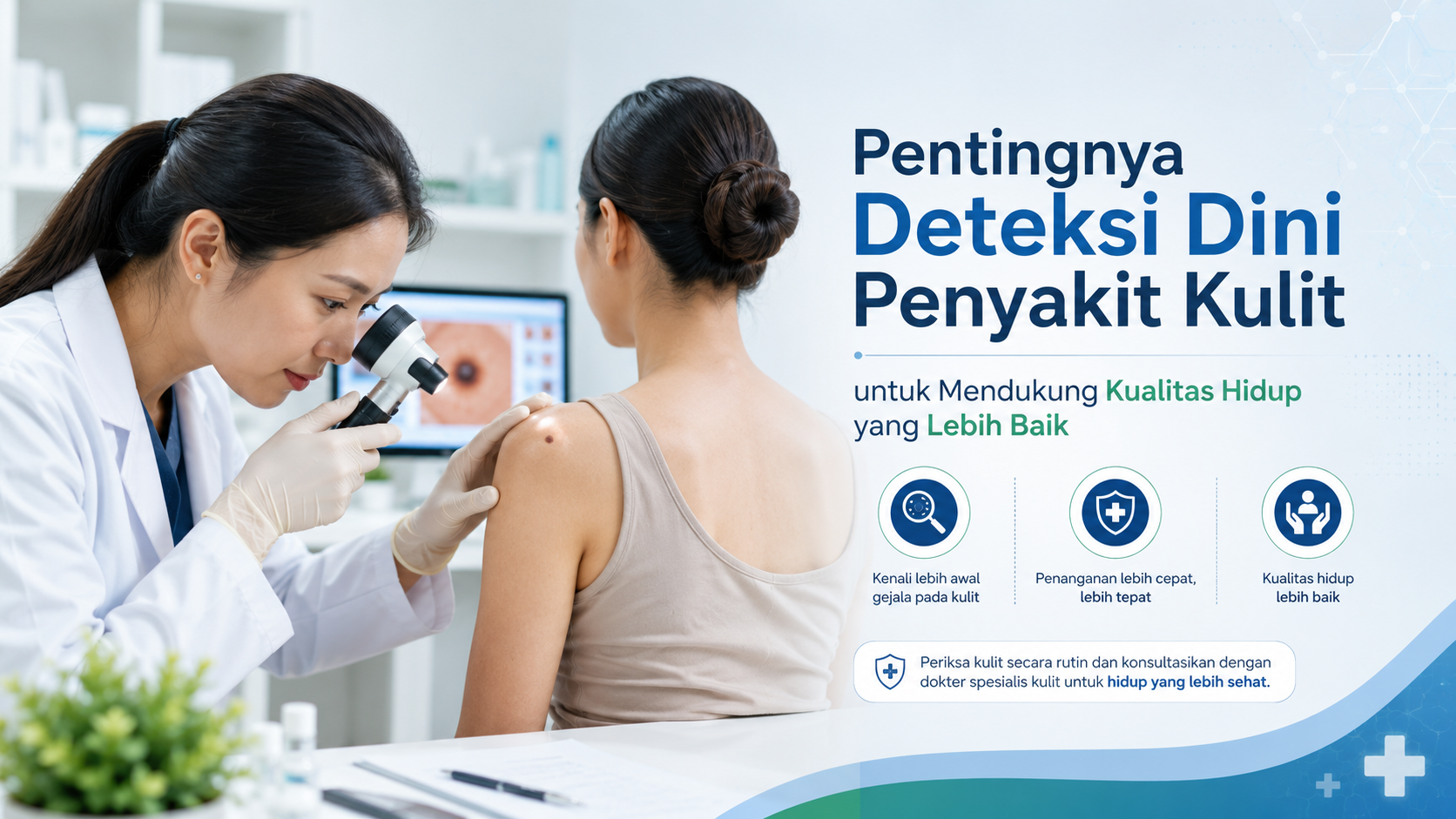
Early detection is one of the most important steps in the prevention and management of various skin diseases. By recognizing changes in the skin as early as possible, individuals have a greater opportunity to receive an accurate diagnosis and appropriate treatment. Warning signs that should not be ignored include persistent rashes, unusual changes in skin color, the appearance of new lumps or spots, prolonged itching, and wounds that do not heal properly.
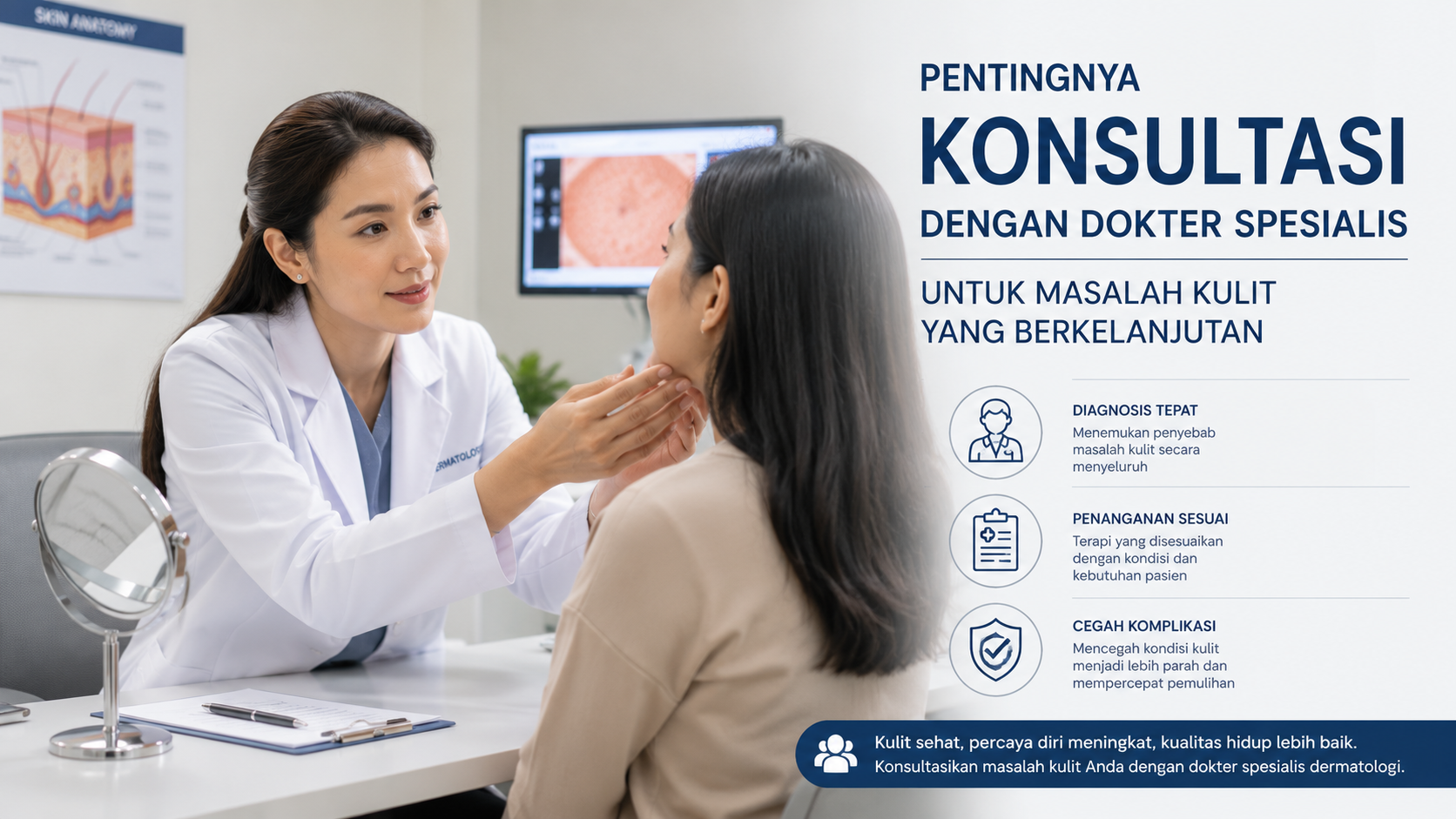
Through early medical evaluation, dermatology specialists can conduct a comprehensive assessment of a patient's skin condition. This approach allows healthcare professionals to identify the underlying causes of skin concerns more accurately and provide treatment recommendations tailored to each individual's needs. Appropriate treatment not only helps accelerate recovery but also reduces the likelihood of more serious complications in the future.
Beyond its medical benefits, early detection can also have a positive impact on a person's overall quality of life. Various skin conditions can affect daily comfort, work productivity, and emotional well-being. Many individuals experience reduced self-confidence due to skin-related issues. Therefore, timely diagnosis and treatment can help minimize both the physical and psychological effects associated with skin diseases.
The rapid development of digital technology has created greater opportunities for the public to access information about skin health. Various digital platforms, including health websites, social media channels, webinars, and online consultation services, make educational resources more accessible than ever before. However, this convenience also requires individuals to be more discerning when evaluating the information they encounter. Not all online content is based on scientific evidence or reliable medical sources.
For this reason, it is important for individuals to prioritize information from credible sources and seek professional medical advice when experiencing skin-related concerns. Ongoing education about the signs and symptoms of skin diseases, risk factors, and the importance of early screening plays a crucial role in improving public awareness and encouraging proactive healthcare practices.
Dermatology specialists, together with professional organizations, continue to promote skin health literacy through various educational initiatives and public awareness campaigns. These efforts aim to help people understand that maintaining healthy skin is not solely about appearance but is also an important aspect of overall health and well-being.
As public awareness of the importance of early detection continues to grow, it is hoped that more individuals will take proactive steps to monitor and protect their skin health. Timely examinations and consultations can serve as valuable investments in long-term health while contributing to a healthier, more productive, and better-informed society.